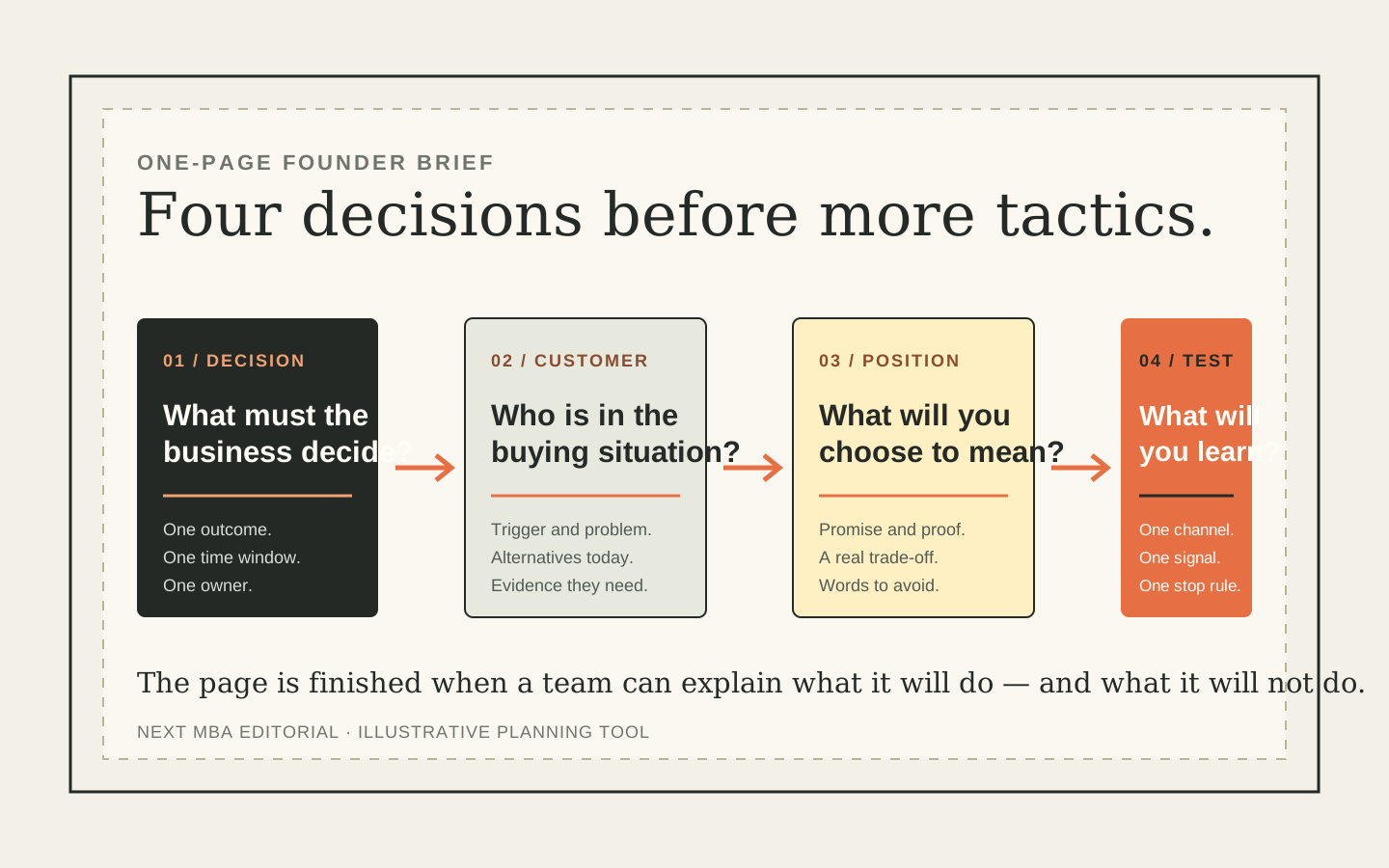
A notebook full of phrases is not the same as a better sales conversation. Before a masterclass, choose one situation from your real work: a first call that loses momentum, a price objection you answer too quickly, a proposal that stalls, or a close that never becomes a decision.
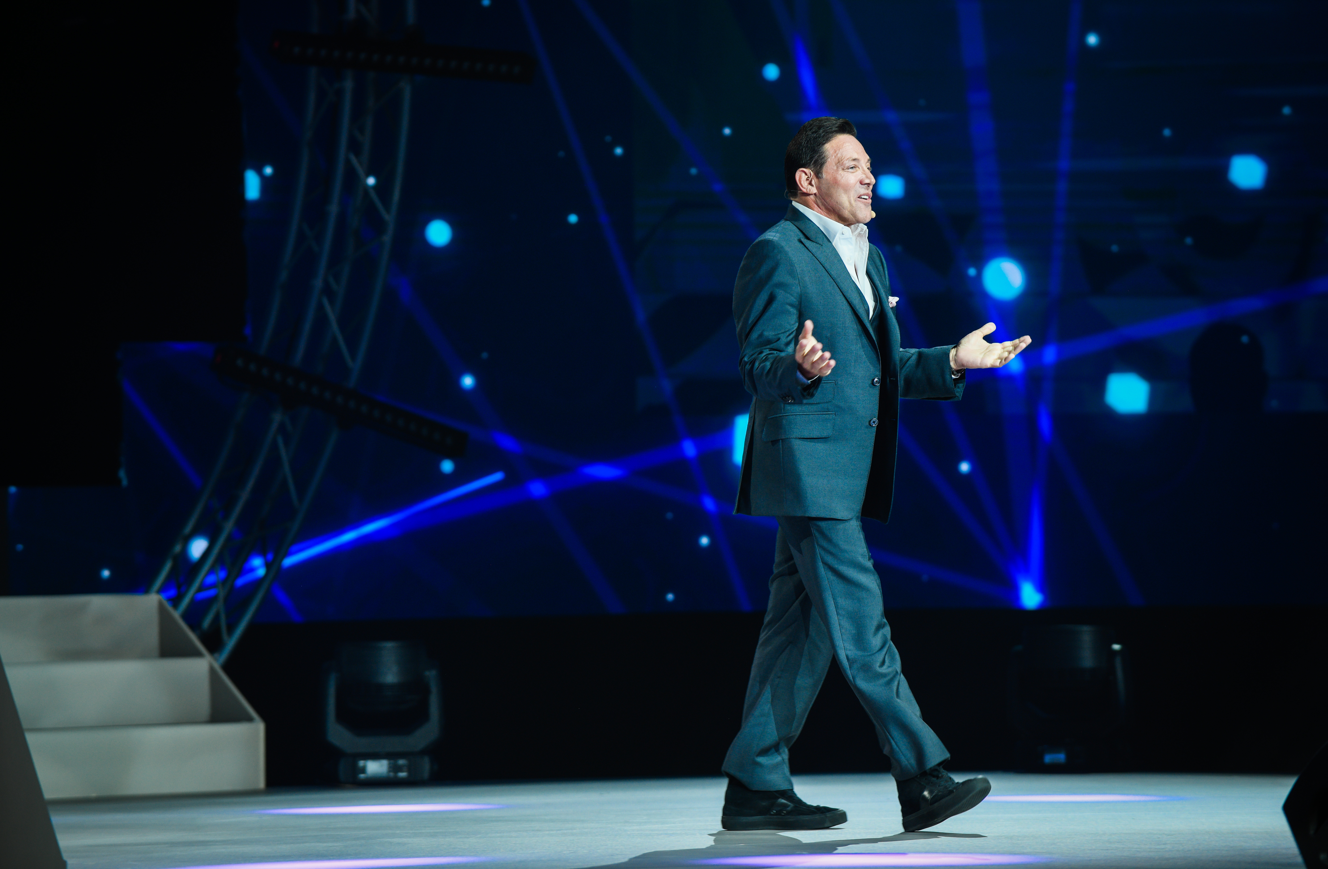
This preparation guide is for the Jordan Belfort masterclass currently scheduled in London on 19 November 2026. It combines the event’s published facts with an original planning worksheet from NEXT MBA Editorial. It does not reproduce the speaker’s teaching, promise a result or replace the current ticket terms.
Event details can change. Recheck the official event page before travelling or purchasing. A displayed ticket button or price does not by itself prove that a particular category remains available.
Start with the facts that are currently published.
| Date | Thursday, 19 November 2026 |
|---|---|
| Main programme | 12:00–18:00, London time |
| Venue | Magazine London, 11 Ordnance Crescent, London SE10 0JH |
| Format | One-day, in-person sales masterclass |
| Published programme | Six sessions covering the Straight Line System, first impressions, objections, closing, sales teams and a live Q&A |
| Tickets | Categories, current prices and included benefits are shown on the event page and should be checked there |
Do not plan from an old search snippet, screenshot or calendar entry. Confirm the date, programme, ticket terms and any category-specific access on the live event page. Keep the booking confirmation and the email address used for the order available when you travel.
Choose one sales challenge to bring with you.
“Get better at sales” is too broad to guide your attention for six hours. A useful challenge names the buyer, the moment in the conversation and the decision you are trying to improve.
Write a short version before the event:
Keep confidential customer information out of the sheet. Replace names, prices and identifying details with a role and a rounded example unless you are authorised to use them.
If you do not have a live deal, choose a recurring scenario instead: the first five minutes of a discovery call, a request for a discount, a prospect who asks for information by email, or a meeting in which several decision-makers disagree.
Prepare a note-taking sheet before you arrive.
Divide a page into four columns. This stops every interesting phrase becoming an equal-priority action.
| Idea | Where it fits | What I need to verify | First test |
|---|---|---|---|
| Write the point in your own words. | Name the stage of your sales conversation. | Record assumptions, missing context or ethical concerns. | Choose one low-risk conversation and the behaviour you will try. |
Add two boxes at the bottom: “not for our business” and “questions to ask my team.” Deciding not to use an idea can be valuable when it conflicts with your offer, buying process, customer expectations or responsibilities.
Bring one current script, call outline or anonymised objection. You will be able to compare specific language with your notes instead of trying to rebuild the whole conversation later. The sales roleplay guide has a reusable practice structure if you want to rehearse before or after the event.
Use the six published sessions as six lenses.
The current programme lists six sessions. Rather than collecting unrelated takeaways, connect each one to the challenge you wrote down.
- Straight Line System — full architecture. Map the beginning, middle and next decision in your conversation. Mark where it usually moves away from the buyer’s real concern.
- The first ten seconds. Review what your opening communicates before you explain the product. Look for clarity and relevance, not a theatrical imitation of someone else’s style.
- Handling objections. Separate the words you hear from the concern underneath them. Write the question that would help you understand the difference.
- Closing the deal. Define the decision you are actually asking for. Sometimes the appropriate close is an agreed next step, not an immediate purchase.
- Building a sales team. Note which parts of the conversation should be coached consistently and which depend on context and judgment.
- Live Q&A. Turn your challenge into a short question with enough context to answer. Avoid a long company history or a request for a guaranteed script.
These prompts are an editorial preparation framework, not a summary of what Jordan Belfort will say in each session. The event page remains the source of truth for the published programme.
Plan the practical side of the day.
- Check your confirmation, ticket category and included benefits before setting out.
- Use the venue address on the current event page and check live transport information on the day.
- Allow time for entry and any security or registration process; do not assume the main programme start is the correct arrival time.
- Bring a charged phone and a backup way to access the booking confirmation.
- Use breaks to compare one concrete idea with another attendee, not to deliver a rehearsed pitch to everyone you meet.
- Ask the organiser before recording a session or another participant. A ticket does not automatically grant permission to record or republish.
For accessibility, entry, dietary or category-specific questions, use the contact details on the event page. Do not infer an arrangement from a previous event at another venue.
Turn the notes into one change within 48 hours.
Choose one behaviour, one situation and one review point. For example: “On the next three discovery calls, I will ask one clarifying question before answering a price concern. Immediately afterwards, I will record what the buyer said and whether the question changed my understanding.”
Rehearse the changed moment once before using it with a buyer. Ask a colleague to play the customer, or use a roleplay prompt with clearly stated fictional facts. Keep the review about observable choices: whether you asked the question, listened to the answer and adapted the next step. Do not treat an automated score as proof of sales performance.
After three attempts, decide whether to keep, revise or stop the change. A memorable idea is not automatically right for your market, product or customer. The point of the event is not to copy every technique. It is to return with a more deliberate way to handle a real conversation.
Common questions
When and where is Jordan Belfort in London?
The event is currently scheduled for Thursday, 19 November 2026 at Magazine London, 11 Ordnance Crescent, London SE10 0JH. The published main programme is 12:00–18:00, London time. Recheck the event page before travelling.
What is on the published programme?
The event page currently lists six sessions: the Straight Line System, the first ten seconds, handling objections, closing the deal, building a sales team and a live Q&A. It also describes category-specific benefits, including a VIP dinner option. Check the ticket details before relying on any included benefit.
Does this guide confirm that tickets are available?
No. The event page shows current ticket options and the checkout route. Availability can change, and this article does not independently confirm inventory or a completed purchase.
What should I bring to the masterclass?
Bring your booking confirmation, the information required by your ticket, a way to take notes and one anonymised sales challenge. Check the organiser’s current instructions for anything else.
Source and editorial note
- Jordan Belfort in London official event page, including the current event summary, venue, published six-session programme, ticket descriptions and visitor questions.
Event facts checked on 14 October 2026. The challenge brief, note-taking plan and post-event practice routine are original NEXT MBA Editorial tools. They are not part of the speaker’s programme, measured outcomes or a guarantee of sales results.
Review the current event details.
Check the published programme, venue information and ticket options for Jordan Belfort in London on the official event page.
Explore Jordan Belfort in London